AII Launches Industry-First Tool Standardising Measurement of Carbon Emissions
The new tool published by the climate-focused nonprofit aims to create a standardised benchmark across textile facilities to accelerate fashion’s efforts to decarbonise.

As consumers become more engaged with sustainability issues, circularity could be the key that unlocks the door to a more sustainable future.
As consumers become more engaged with sustainability issues, circularity could be the key that unlocks the door to a more sustainable future.
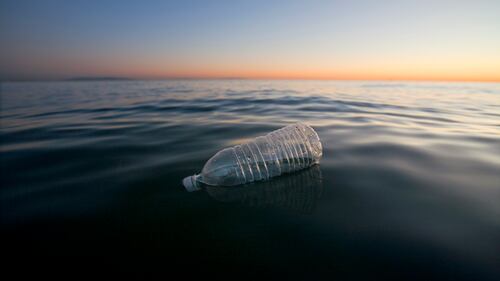
Brands are pumping out millions of shoes, bags and shirts made with plastic they say was rescued from the world’s oceans and beaches. But the environmental impact is hard to measure and some experts say the industry is doing more harm than good.
Brands are pumping out millions of shoes, bags and shirts made with plastic they say was rescued from the world’s oceans and beaches. But the environmental impact is hard to measure and some experts say the industry is doing more harm than good.
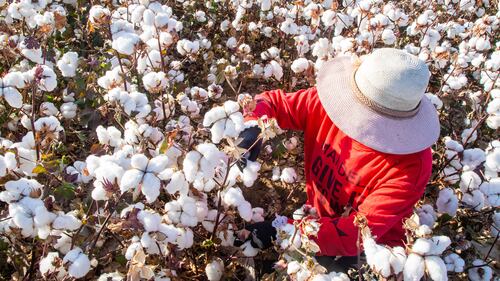
This week, claims that over half a million Muslims from minorities in China’s Xinjiang Uighur Autonomous Region are being forced to pick cotton widely used in the global fashion industry stunned consumers and stained major brands, highlighting longstanding traceability problems that must be solved.
This week, claims that over half a million Muslims from minorities in China’s Xinjiang Uighur Autonomous Region are being forced to pick cotton widely used in the global fashion industry stunned consumers and stained major brands, highlighting longstanding traceability problems that must be solved.

Having conducted the largest survey of wage and payment conditions in the luxury sector, the Camera Nazionale della Moda Italiana hopes to act as an example to other international manufacturing hubs.
Having conducted the largest survey of wage and payment conditions in the luxury sector, the Camera Nazionale della Moda Italiana hopes to act as an example to other international manufacturing hubs.
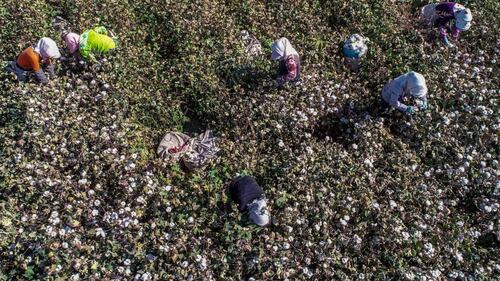
At least 570,000 Uighur Muslims are being forced to work in Chinese cotton fields that produce one-fifth of the world’s supply, a new report says. Most fashion brands can’t promise their products aren’t implicated, with concern spreading from fast-fashion and sportswear giants to major luxury groups.
At least 570,000 Uighur Muslims are being forced to work in Chinese cotton fields that produce one-fifth of the world’s supply, a new report says. Most fashion brands can’t promise their products aren’t implicated, with concern spreading from fast-fashion and sportswear giants to major luxury groups.

Ryan Gellert talks about how his #Resistance clothing company can continue the climate fight.
Ryan Gellert talks about how his #Resistance clothing company can continue the climate fight.
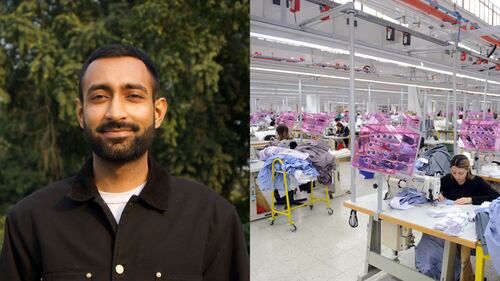
Before the pandemic, Shahi Exports was generating roughly $1 billion a year producing for brands like Gap and Uniqlo, making it India’s largest apparel manufacturer for export. The executive leading the firm’s sustainability initiatives reflects on new opportunities to reform fashion’s supply chain, despite the crisis and turbulence ahead.
Before the pandemic, Shahi Exports was generating roughly $1 billion a year producing for brands like Gap and Uniqlo, making it India’s largest apparel manufacturer for export. The executive leading the firm’s sustainability initiatives reflects on new opportunities to reform fashion’s supply chain, despite the crisis and turbulence ahead.

Apparel manufacturers are limiting access to third parties, including regulators and auditors, raising concerns about fair labour practises and safe workplaces.
Apparel manufacturers are limiting access to third parties, including regulators and auditors, raising concerns about fair labour practises and safe workplaces.

The LA-based brand is laying out a new set of commitments designed to decouple its growth from its environmental impact.
The LA-based brand is laying out a new set of commitments designed to decouple its growth from its environmental impact.

With low-level workers throughout fashion’s global supply chain facing the sharp end of the crisis, consumers will increasingly expect companies to offer them more dignity, security and justice.
With low-level workers throughout fashion’s global supply chain facing the sharp end of the crisis, consumers will increasingly expect companies to offer them more dignity, security and justice.

To mitigate future ruptures, fashion players must move away from transactional relationships with suppliers in favour of deeper partnerships that bring greater agility and accountability.
To mitigate future ruptures, fashion players must move away from transactional relationships with suppliers in favour of deeper partnerships that bring greater agility and accountability.

Brands missed roughly a third of the goals they set for themselves as part of an industry initiative that ended this year, reflecting the challenge that remains for the sector beyond ambitious sustainability targets.
Brands missed roughly a third of the goals they set for themselves as part of an industry initiative that ended this year, reflecting the challenge that remains for the sector beyond ambitious sustainability targets.
The new tool published by the climate-focused nonprofit aims to create a standardised benchmark across textile facilities to accelerate fashion’s efforts to decarbonise.
The bloc’s overhaul sharply reduces the number of companies covered by ESG reporting and supply chain due-diligence laws, easing compliance pressures but increasing concerns over accountability.
The European Commission has adopted new measures that will require medium and large companies to stop discarding unsold clothing and footwear, in the bloc’s latest move to target textile waste.
The financial implications of global warming are becoming increasingly difficult for corporate executives to ignore.
The ultra-fast fashion retailer says it has updated language on its website following engagement with the group.
The news comes less than a week after the Coalition to Abolish the Fur Trade staged protests outside the brand’s stores.
Following the publicisation of Condé Nast’s fur ban in October, the Harper’s Bazaar publisher will now prohibit the use of animal fur in its editorial and advertising content.
A week after devastating floods, the industry association in Sri Lanka says multiple large facilities have been impacted, as recovery efforts for affected workers are underway.