AII Launches Industry-First Tool Standardising Measurement of Carbon Emissions
The new tool published by the climate-focused nonprofit aims to create a standardised benchmark across textile facilities to accelerate fashion’s efforts to decarbonise.

Regulators are taking aim at the industry’s glacial progress on climate and labour rights, creating new incentives and risks for sustainability efforts in the coming year.
Regulators are taking aim at the industry’s glacial progress on climate and labour rights, creating new incentives and risks for sustainability efforts in the coming year.

A year of climate disasters, greenwashing scams and labour scandals highlights that business as usual just won’t cut it.
A year of climate disasters, greenwashing scams and labour scandals highlights that business as usual just won’t cut it.

From innovative materials to regulatory crackdowns, 2022 was a year that pushed the fashion industry to rethink how it operates.
From innovative materials to regulatory crackdowns, 2022 was a year that pushed the fashion industry to rethink how it operates.

As COP15 puts biodiversity in the spotlight, fashion companies from H&M to Kering are re-upping their commitments to protecting and restoring nature. But tackling the issue in earnest will require industry-wide reform.
As COP15 puts biodiversity in the spotlight, fashion companies from H&M to Kering are re-upping their commitments to protecting and restoring nature. But tackling the issue in earnest will require industry-wide reform.

A number of products made from leather alternatives have begun to hit store shelves. BoF’s chief sustainability correspondent Sarah Kent unpacks why it’s so hard to market — and scale — these new products.
A number of products made from leather alternatives have begun to hit store shelves. BoF’s chief sustainability correspondent Sarah Kent unpacks why it’s so hard to market — and scale — these new products.

The sportswear brand’s chief sourcing officer discusses in The State of Fashion 2023 why mounting scrutiny of fashion’s “green” claims is good for the industry and what brands need to do to walk the talk on sustainability.
The sportswear brand’s chief sourcing officer discusses in The State of Fashion 2023 why mounting scrutiny of fashion’s “green” claims is good for the industry and what brands need to do to walk the talk on sustainability.
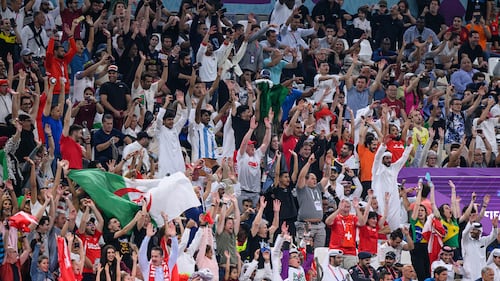
The global football event has brought added scrutiny to labour practices — not just in host country Qatar’s construction sector but also in the Asian garment factories that make the tournament’s official merch.
The global football event has brought added scrutiny to labour practices — not just in host country Qatar’s construction sector but also in the Asian garment factories that make the tournament’s official merch.

The fashion industry has long avoided significant costs and risks in its supply chain, but a reckoning is looming, argue Cornell’s Jason Judd and Sarosh Kuruvilla.
The fashion industry has long avoided significant costs and risks in its supply chain, but a reckoning is looming, argue Cornell’s Jason Judd and Sarosh Kuruvilla.

The idea that businesses will willingly sacrifice profit to reduce pollution and improve labour conditions is a “convenient fantasy.” But beefing up government oversight is a messy and slow process.
The idea that businesses will willingly sacrifice profit to reduce pollution and improve labour conditions is a “convenient fantasy.” But beefing up government oversight is a messy and slow process.
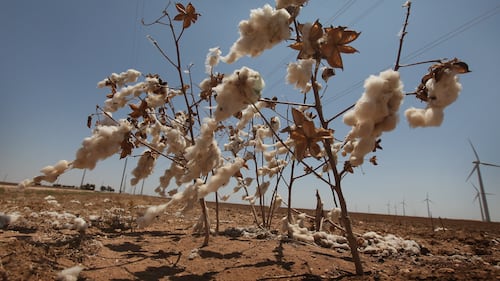
As floods, drought and extreme heat become increasingly common risks, fashion brands must start thinking about how to build resilience into their supply chains.
As floods, drought and extreme heat become increasingly common risks, fashion brands must start thinking about how to build resilience into their supply chains.

Rising living costs and increasingly precarious work are trapping the low-wage workers who power the fashion industry in a crushing squeeze, Sarah Kent reports from Dhaka.
Rising living costs and increasingly precarious work are trapping the low-wage workers who power the fashion industry in a crushing squeeze, Sarah Kent reports from Dhaka.

The holiday sales bonanza promotes rampant consumerism. And yet, for many sustainably minded designers and founders it’s a valuable marketing moment they can’t resist.
The holiday sales bonanza promotes rampant consumerism. And yet, for many sustainably minded designers and founders it’s a valuable marketing moment they can’t resist.
The new tool published by the climate-focused nonprofit aims to create a standardised benchmark across textile facilities to accelerate fashion’s efforts to decarbonise.
The bloc’s overhaul sharply reduces the number of companies covered by ESG reporting and supply chain due-diligence laws, easing compliance pressures but increasing concerns over accountability.
The European Commission has adopted new measures that will require medium and large companies to stop discarding unsold clothing and footwear, in the bloc’s latest move to target textile waste.
The financial implications of global warming are becoming increasingly difficult for corporate executives to ignore.
The ultra-fast fashion retailer says it has updated language on its website following engagement with the group.
The news comes less than a week after the Coalition to Abolish the Fur Trade staged protests outside the brand’s stores.
Following the publicisation of Condé Nast’s fur ban in October, the Harper’s Bazaar publisher will now prohibit the use of animal fur in its editorial and advertising content.
A week after devastating floods, the industry association in Sri Lanka says multiple large facilities have been impacted, as recovery efforts for affected workers are underway.