Agenda-setting intelligence, analysis and advice for the global fashion community.
Agenda-setting intelligence, analysis and advice for the global fashion community.

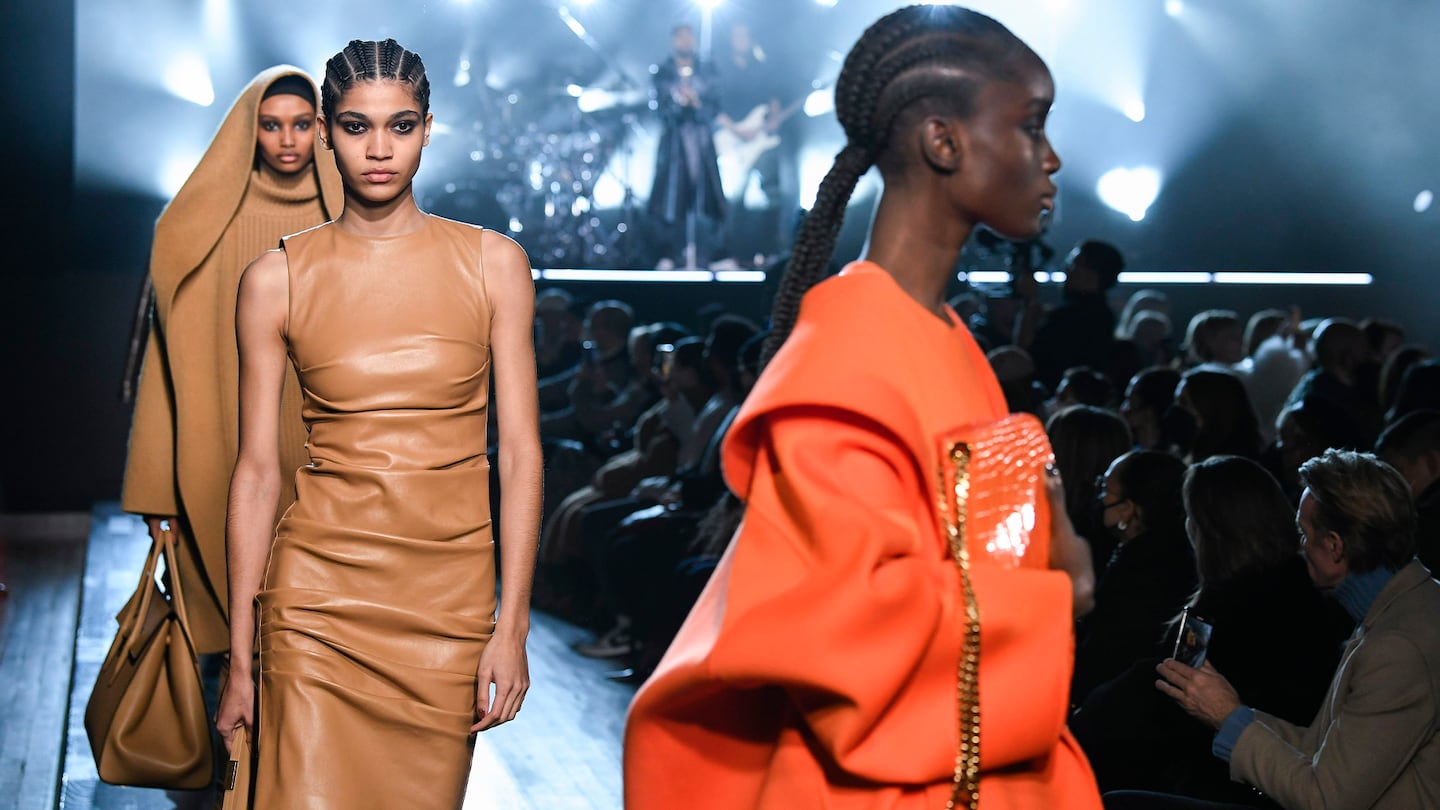
The traditional fashion calendar, in which garments for autumn are presented the preceding February and spring clothing is shown in September, was introduced by King of France Louis XIV. In the 17th century, he established France as the centre of the luxury textile industry, imposing a seasonal schedule wherein new textiles would be released twice a year, as a means of encouraging people to buy more of them. From the beginning, it was simply good marketing — people bought the latest textiles because they were new, not because they actually needed them. That practice has been rinsed to the nth degree, culminating in a gruelling schedule that now spans the world’s four traditional fashion capitals. Is this travelling circus of seasonal fashion shows still relevant in today’s digital, globalised world?
Please sign in to ensure you can read our agenda-setting intelligence, analysis and advice. Or get in touch at support@businessoffashion.com if you experience difficulties.
Nikhil Thukral, managing partner at the LVMH-affiliated private equity fund, talks about the ingredients of winning companies, the dynamics challenging fashion's incumbents and how economic shifts are shaping investor strategies in the BoF-McKinsey State of Fashion 2025.
The fast fashion giant is reportedly close to filing to go public in London, but faces doubts about its business and the political environment.
In 2020, like many companies, the $50 billion yoga apparel brand created a new department to improve internal diversity and inclusion, and to create a more equitable playing field for minorities. In interviews with BoF, 14 current and former employees said things only got worse.
For fashion’s private market investors, deal-making may provide less-than-ideal returns and raise questions about the long-term value creation opportunities across parts of the fashion industry, reports The State of Fashion 2024.
The executive order directs the FTC chairman to prioritise enforcement of existing laws against sellers and manufacturers who falsely claim products are made in America.
Global oil markets face turmoil after a US attack on Iran's main export hub heightened risks to supply across the Middle East.
The 98th Academy Awards, and Vanity Fair’s revamped after-party, bring luxury brands’ red-carpet strategies to a crescendo. Plus, Lululemon reports quarterly results with the CEO job still vacant.
From the impact of the war in the Middle East to the future of Saks to the Kering conundrum, Imran Amed shares his intel and insight from the trenches of the latest ‘fashion month.’