Agenda-setting intelligence, analysis and advice for the global fashion community.
Agenda-setting intelligence, analysis and advice for the global fashion community.

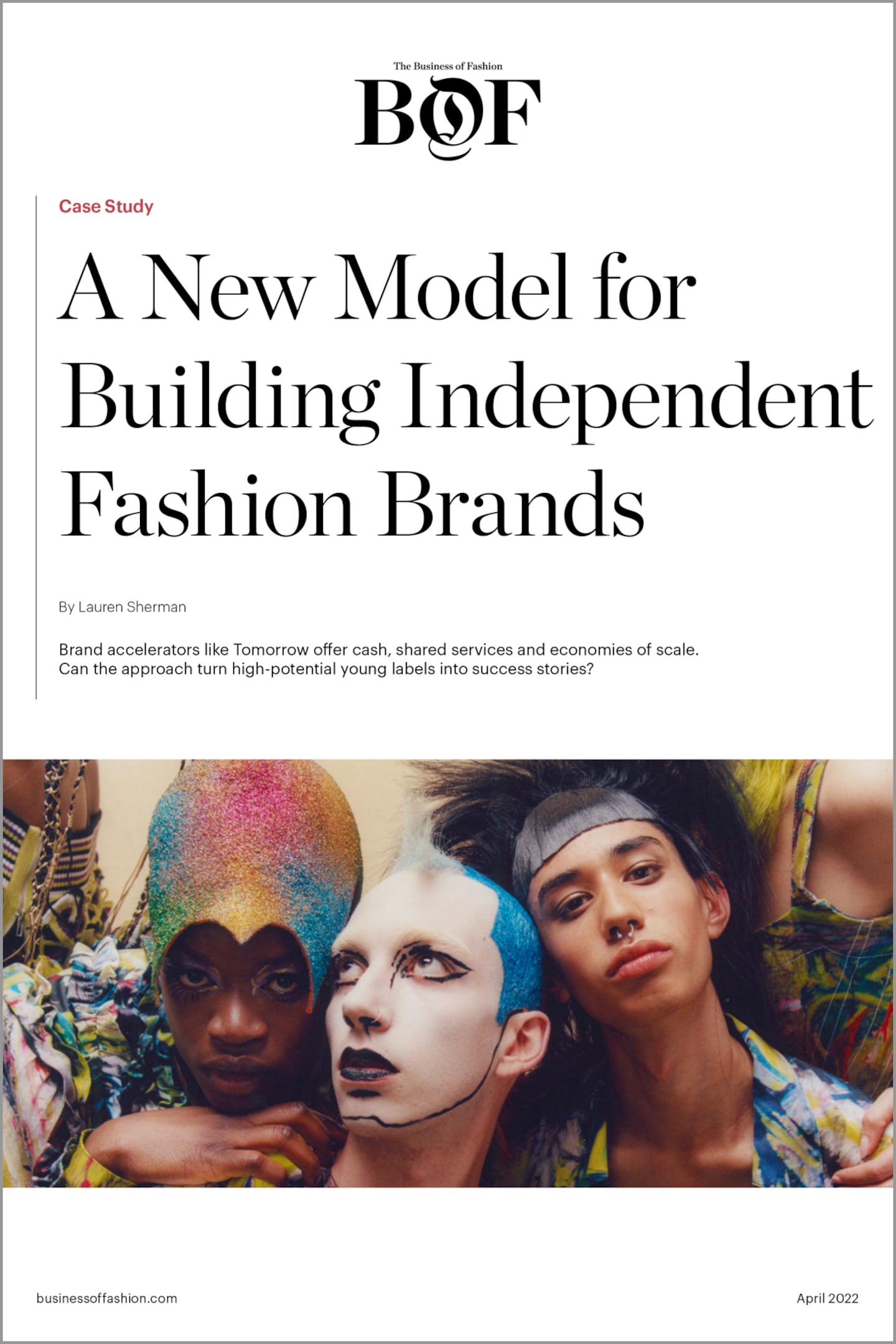
Starting in the 1990s and 2000s, the luxury fashion sector, once largely populated by idiosyncratic firms owned by old European families, was radically reshaped by consolidation and the rise of corporate giants including LVMH, Kering (formerly PPR) and Richemont. These conglomerates, alongside luxury megabrands Hermès and Chanel, used their heft to dominate everything from distribution and marketing to the battle for executive talent, boxing out smaller competitors and making it more difficult than ever for independent fashion labels to operate profitably.
Please sign in to ensure you can read our agenda-setting intelligence, analysis and advice. Or get in touch at support@businessoffashion.com if you experience difficulties.
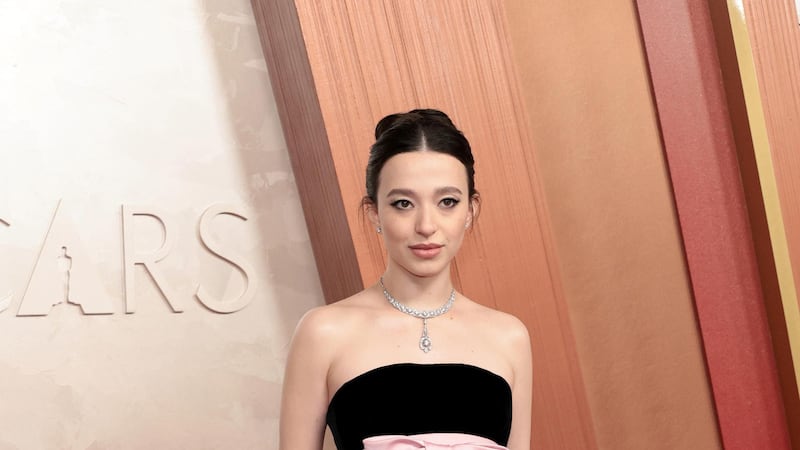
The 98th Academy Awards, and Vanity Fair’s revamped after-party, bring luxury brands’ red-carpet strategies to a crescendo. Plus, Lululemon reports quarterly results with the CEO job still vacant.
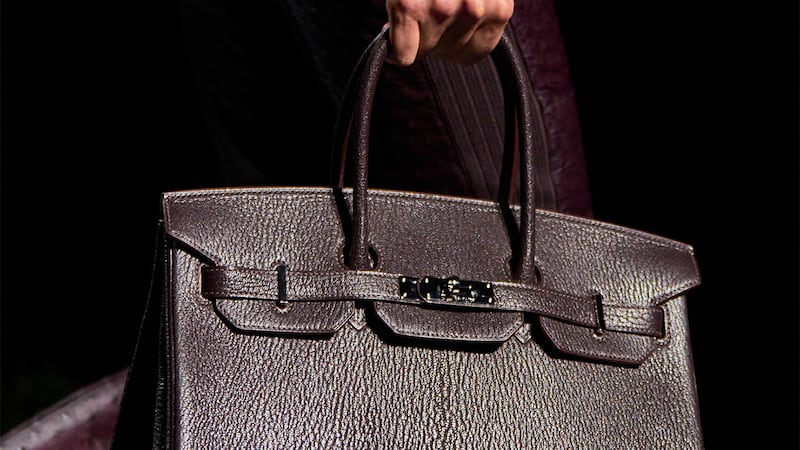
In this week’s High Margin luxury newsletter: A softening resale market for Birkin and Kelly bags poses questions for luxury powerhouse Hermès. Plus, a run on Chanel’s stores during Paris Fashion Week.
Goasglas is set to head the luxury conglomerate’s biggest watch label after the sudden exit of former chief executive Antoine Pin in January.
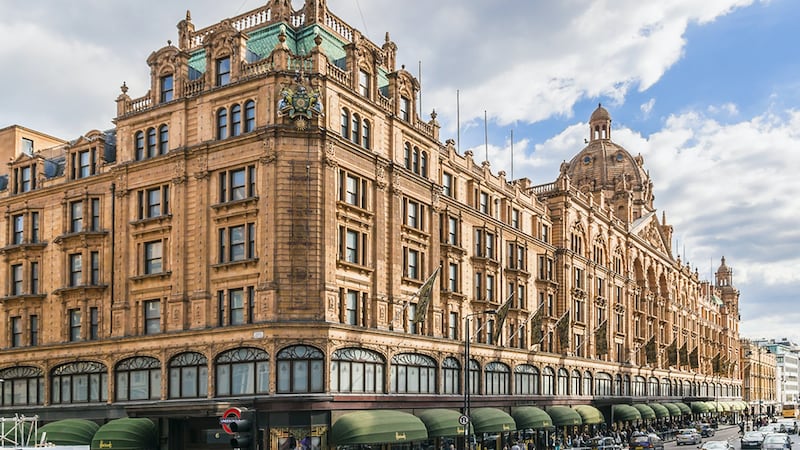
Harrods is still grappling with the dark legacy of former owner Mohamed Al Fayed’s serial sexual abuse, facing ongoing internal investigations, compensation negotiations and calls for greater accountability.
The executive order directs the FTC chairman to prioritise enforcement of existing laws against sellers and manufacturers who falsely claim products are made in America.
Global oil markets face turmoil after a US attack on Iran's main export hub heightened risks to supply across the Middle East.
The 98th Academy Awards, and Vanity Fair’s revamped after-party, bring luxury brands’ red-carpet strategies to a crescendo. Plus, Lululemon reports quarterly results with the CEO job still vacant.
From the impact of the war in the Middle East to the future of Saks to the Kering conundrum, Imran Amed shares his intel and insight from the trenches of the latest ‘fashion month.’