Agenda-setting intelligence, analysis and advice for the global fashion community.
Agenda-setting intelligence, analysis and advice for the global fashion community.

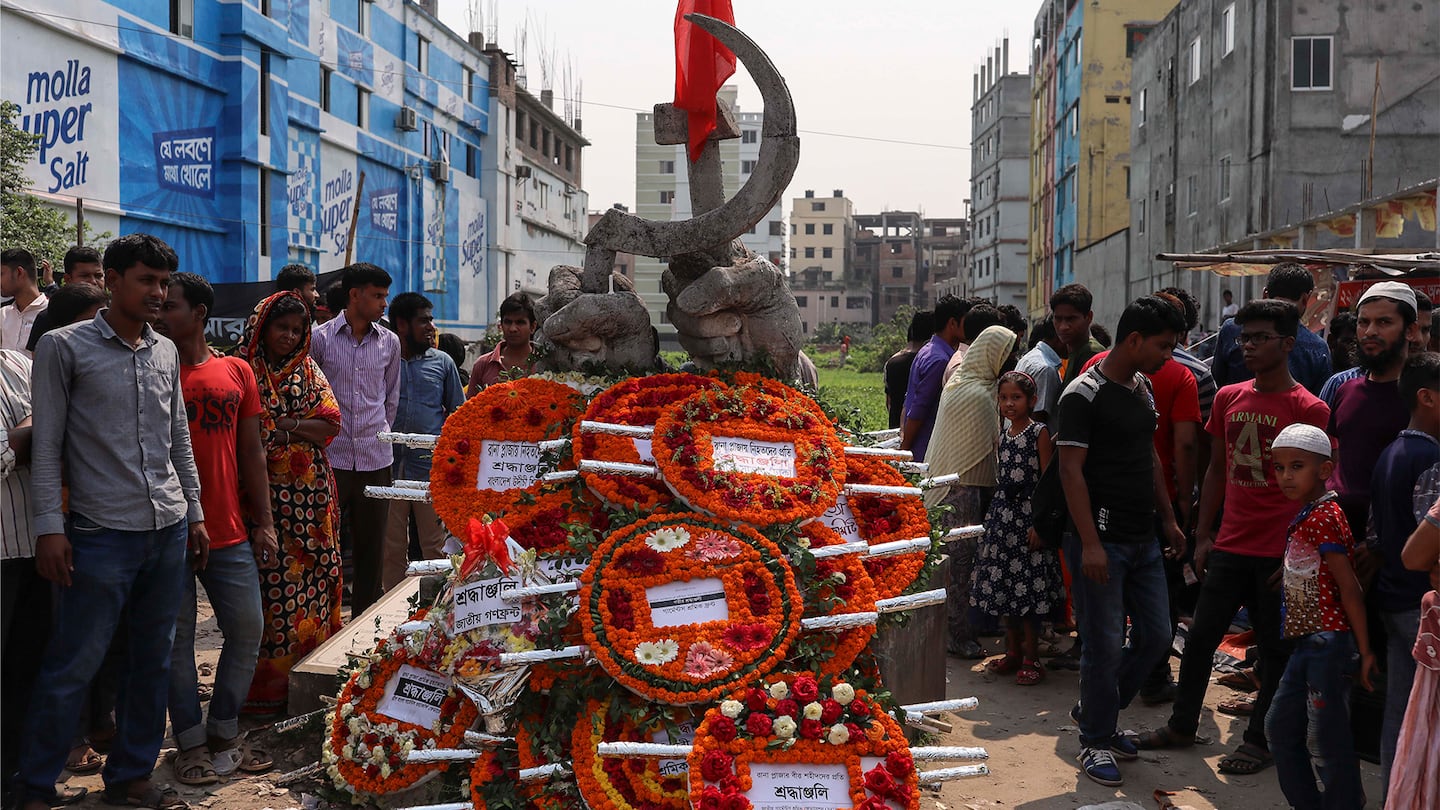
Ten years ago this Monday, the Rana Plaza building in Dhaka, Bangladesh collapsed, killing over 1,100 people, mostly garment workers. They made clothing for brands that are household names around the globe. In the wake of the disaster, hundreds of brands signed a binding agreement with trade unions to monitor and address safety violations; a smaller group of largely US brands formed a separate, voluntary initiative. The programmes helped substantially improve safety standards in the factories they covered. But advocates for workers say the industry is still rife with other abuses, including low wages and other forms of exploitation. In those areas, there’s been evidence of backsliding, especially since the pandemic. Thousands of factories in Bangladesh weren’t covered by either safety programme, and there’s little change in other manufacturing countries. In addressing one specific humanitarian crisis, the fashion industry has allowed others to fester.
Please sign in to ensure you can read our agenda-setting intelligence, analysis and advice. Or get in touch at support@businessoffashion.com if you experience difficulties.
The fast-fashion giant is offering to let smaller labels plug directly into its famed on-demand manufacturing and global logistics network. But is the boost in speed worth the risk of putting operations in a competitor’s hands?
Fresh solutions to water scarcity in the supply chain, sourcing shifts and regulatory recalibration are reshaping fashion’s sustainability playbook.
Coach-owner Tapestry’s new carbon-removal partnership and brands making fresh commitments to textile-to-textile recycling startups show an industry searching for ways to address its environmental impact.
A new group of brand partners, including Reformation and C&A, is joining the poly-cotton recycler’s long-term commercialisation program only weeks after its debut, signalling growing demand as the company gears up for industrial-scale production in Europe.
From the impact of the war in the Middle East to the future of Saks to the Kering conundrum, Imran Amed shares his intel and insight from the trenches of the latest ‘fashion month.’
Owner Lanvin Group said it is ‘fully committed’ to the French label’s development under creative director Peter Copping, with CEO Andy Lew in charge of management.
In a post-fashion month debrief, BoF founder Imran Amed and editor-at-large Tim Blanks assess how the biggest houses are bedding in under new creative leadership at Chanel, Gucci, Dior and more.
From $50 cashmere to Dom Pérignon champagne, the everything store for the aspirationally bougie is outrunning the ghosts of DTC past.