
Agenda-setting intelligence, analysis and advice for the global fashion community.
Agenda-setting intelligence, analysis and advice for the global fashion community.

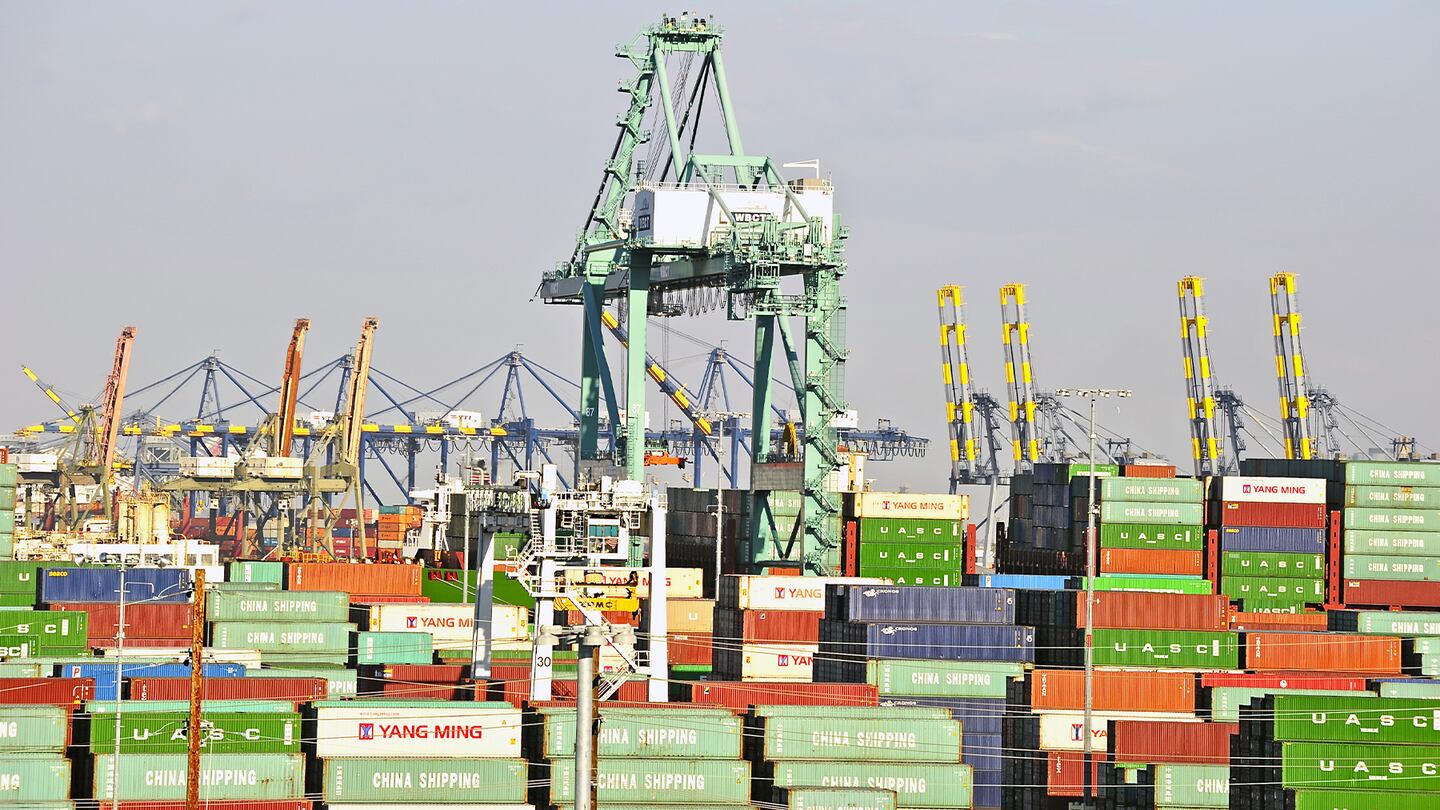
The news has been buried amid increasingly dire inflation reports, but fashion’s logistics nightmare appears to be easing. Container shipping costs are down by more than one-third from their peak last fall (though still more than double pre-pandemic levels), according to freight marketplace Freightos. But supply chain managers can’t breathe easy just yet. While the pandemic’s effects on garment factories and shipping are easing, labour strife at US West Coast ports is threatening to throw the crucial trans-Pacific trade route into chaos once again. Barring a last-minute breakthrough, unionised dockworkers at 29 West Coast ports from Southern California to Seattle will be working without a contract. Both labour and management say they’ll continue normal operations as they negotiate. But last time the two sides were at an impasse, in 2014, a months-long slowdown culminated in a strike the following February. Much like with Covid, the ripple effects on global supply chains lasted for months, with retailers struggling to keep shelves stocked and then facing a flood of out-of-season merchandise when ports worked through their backlog. In recognition of the high stakes, President Joe Biden met with representatives from the union and the ports in a visit to Los Angeles earlier this month, and recently signed into law a bill that aims to reduce ocean shipping costs.
Please sign in to ensure you can read our agenda-setting intelligence, analysis and advice. Or get in touch at support@businessoffashion.com if you experience difficulties.
The star designer will ‘re-author’ items from Zara’s archives in a series of collections from September, reinforcing the Spanish retailer’s push upmarket.
The Savannah, Ga.-based pajama brand has developed a devoted following for its super-soft pyjamas. With their first daywear collection, they’re hoping that loyalty will apply in a much more competitive category
From $50 cashmere to Dom Pérignon champagne, the everything store for the aspirationally bougie is outrunning the ghosts of DTC past.
A disappointing US employment report surprised economists and investors, but was old news for the apparel sector, where the labour market has stagnated for years.
The company has been hampered with disruptions to supply chains, elevated inflation, growing competition from low-cost manufacturers and trade tariffs.
In pursuit of new audiences, greater autonomy and ever more dramatic backdrops, a growing number of Indian designers are turning to independent shows beyond the traditional fashion week circuit.
In his first interview, chief executive Colin Walsh shares with The Business of Beauty his plan to fix the struggling Millennial beauty brand by starting with a clean slate.
The star designer will ‘re-author’ items from Zara’s archives in a series of collections from September, reinforcing the Spanish retailer’s push upmarket.